Not Every Complaint Deserves an Apology: How Smart Businesses Protect Their Reputation
Every business will receive negative feedback at some point. It's inevitable. The real test of your brand isn't whether complaints happen. It's how you respond when they do.
Many business owners assume the safest approach is to apologize immediately and offer a refund, discount, or free product. While that may resolve an individual situation, it can unintentionally create a much bigger problem.
Your public responses aren't just for the person who left the review. They're for every potential customer who reads them.
Every Response Sets an Expectation
Imagine a customer posts a complaint online that doesn't match what actually happened. You investigate and find that your team followed policy, the product worked as intended, or the customer's account leaves out important details.
At that moment, you have a choice. You can apologize simply to avoid conflict or you can respond professionally while standing behind the facts.
If your default response is always, "We're so sorry. Here's a refund," you're teaching your audience that the fastest way to receive compensation is to complain publicly.
That isn't excellent customer service, it's creating an expectation that rewards the loudest voices rather than the fairest outcomes.
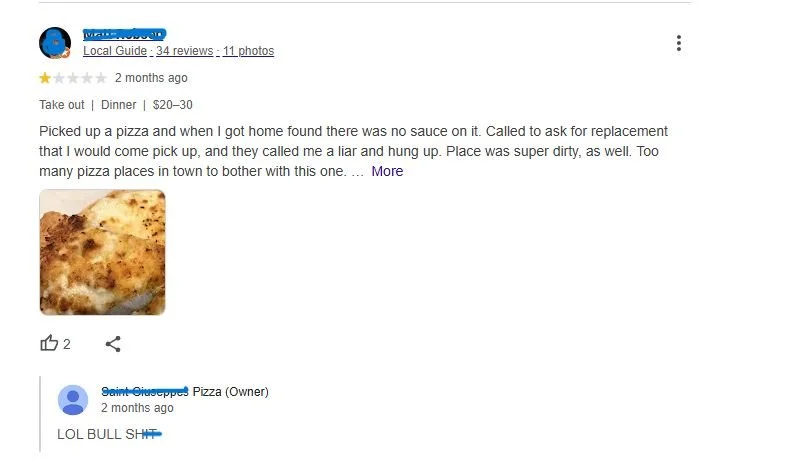
The Goal Isn't to Win an Argument
Standing your ground doesn't mean becoming defensive, it also doesn't mean accusing customers of lying or trying to embarrass them online.
The most effective businesses understand that professionalism and confidence can exist together. Instead of reacting emotionally, take time to review what happened. Gather the facts, speak with your team, and understand the full situation before responding.
A thoughtful reply might look something like this: "We've reviewed the situation and here's what we found. If we've overlooked something, we'd appreciate the opportunity to discuss it with you directly. Our goal is always to make things right when we've made a mistake."
That response communicates something powerful, it shows you're listening. It demonstrates accountability and it makes it clear that your business values facts over assumptions.
Future Customers Are Watching
One negative review rarely damages a strong reputation, but a pattern of weak or inconsistent responses can.
When prospective customers browse your reviews, they're often less interested in the complaint itself than in how your business handled it.
Did you remain respectful?
Did you investigate before responding?
Did you communicate clearly?
Did you balance empathy with professionalism?
Those answers shape trust far more than maintaining a perfect five-star rating.
Build a Reputation Worth Defending
Every interaction is an opportunity to reinforce your brand values.
Customers appreciate businesses that are honest, fair, and willing to admit mistakes. They also respect companies that don't abandon their standards simply to avoid an uncomfortable conversation.
The strongest brands know when to apologize, when to investigate, and when to stand behind their team.
Your objective isn't to win every disagreement, it's to consistently demonstrate integrity.
Respond with empathy.
Lead with facts.
Protect your reputation without sacrificing your professionalism.
Because in the long run, trust isn't built by giving away free products. It's built by showing customers that your business is fair, transparent, and confident enough to do the right thing, even when the conversation becomes difficult.