When Clever Marketing Actually Works
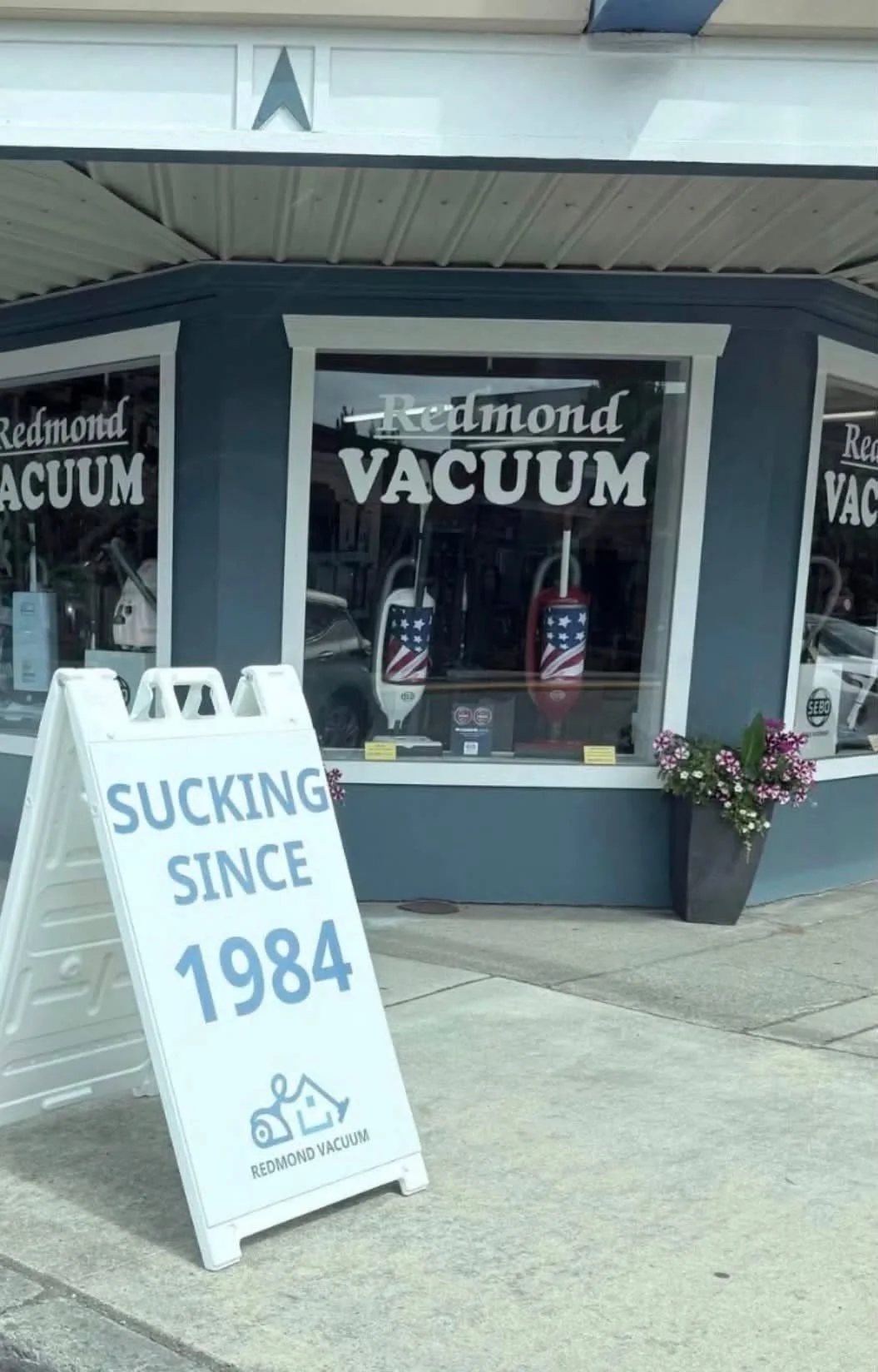
Every once in a while, you come across a piece of marketing that makes you stop, smile, and immediately understand why it works. That happened to me when I walked past a local vacuum store displaying a simple sidewalk sign that read:
"SUCKING SINCE 1984."
At first glance, it almost feels like a branding disaster. Why would any business proudly advertise that they "suck"? Then you notice it's a vacuum store. Suddenly, the message clicks. What looked like a mistake becomes one of the smartest examples of attention-driven marketing you'll see all day.
The Power of Pattern Interruption
Consumers are exposed to thousands of marketing messages every single day. Most disappear into the background because they all look and sound the same. Great marketing doesn't always compete by being louder, it competes by being different.
This sign interrupts expectations. Your brain has to pause for a split second to process what it's reading. That moment of curiosity is incredibly valuable because attention is one of the scarcest resources in modern marketing.
If your audience stops scrolling, stops walking, or stops driving long enough to notice your message, you've already won the first battle.
Humor That Supports the Brand
Humor can be a powerful marketing tool, but only when it strengthens the brand rather than distracts from it and that’s exactly why this campaign works.
The joke isn't random, it's directly connected to what the company sells. Vacuums are literally designed to suck. By embracing that reality with confidence and wit, the business creates a memorable experience while reinforcing exactly what it does.
The sign also subtly communicates another important message.
"Since 1984."
In just two words and one date, the business establishes credibility, longevity, and experience. Customers don't just remember the joke. They also remember that this company has been serving customers for more than four decades. That's efficient marketing.
Built for Word-of-Mouth
Another reason this sign succeeds is because it encourages people to share it. How many people walked by, laughed, snapped a photo, and posted it on social media? The business didn't need a large advertising budget to generate exposure. It created something people naturally wanted to talk about.
The best marketing often earns distribution because the audience enjoys spreading it.
Where Brands Get It Wrong
Unfortunately, many companies misunderstand this concept. They chase viral moments, controversial headlines, or outrageous campaigns simply to generate clicks and impressions.
The problem is that people remember the stunt but forget the company behind it, that's attention without relevance.
Successful marketing should never sacrifice brand clarity for temporary visibility. If someone remembers your joke but can't remember what you sell, your marketing has failed.
Creativity Doesn't Require a Huge Budget
One of the biggest takeaways from this sign is that memorable marketing isn't always expensive. It doesn't require a celebrity endorsement, a million-dollar production budget, or a massive advertising campaign. Sometimes it simply requires understanding your audience, embracing your brand, and presenting your message in an unexpected way. Creativity often outperforms complexity. The brands that stand out aren't necessarily the ones spending the most. They're the ones creating experiences people genuinely remember.
As marketers, that's the real challenge. Not simply capturing attention, but earning it in a way that reinforces who you are and why your business exists. Because getting noticed is only the beginning. Being remembered for the right reason is what drives lasting brand success.
What do you think? Where is the line between clever, attention-grabbing marketing and gimmicks that overshadow the brand?